

For businesses such as foodservice wholesalers, suppliers, and food packaging companies, selecting the right disposable cutlery manufacturer involves more than just comparing prices; it requires considering factors such as material, dimensions, and packaging methods.
This article outlines the key considerations when placing bulk orders for disposable cutlery.
I. What Materials Are Used for the Disposable Cutlery?
Common types of disposable cutlery currently on the market include:
|
Material |
Common Products |
Suitable Applications |
|
Birch Wood |
Knife, Fork, Spoon |
Foodservice, takeaway |
|
Bamboo |
Knife, Fork, Spoon, Spork |
Restaurants, catering |
|
Bagasse |
Cutlery, plates, bowls |
Takeaway, food packaging |
|
Plastic |
Knife, Fork, Spoon |
Traditional foodservice |
|
Paper-based Materials |
Some disposable utensils |
Packaging systems |
However, for purchasers, simply knowing the material name is insufficient. You also need to verify details such as food-contact safety, coating treatments, the presence of chemical additives or plastic components, and material consistency across batches. Suppliers should be required to provide testing reports or compliance documentation relevant to the target market; relying solely on marketing descriptions is not enough.
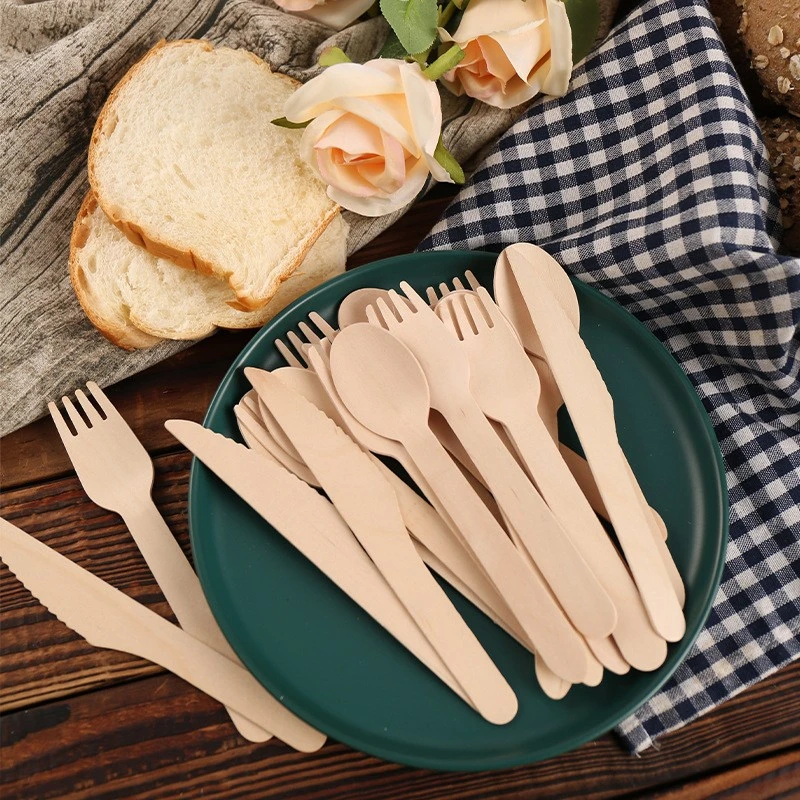

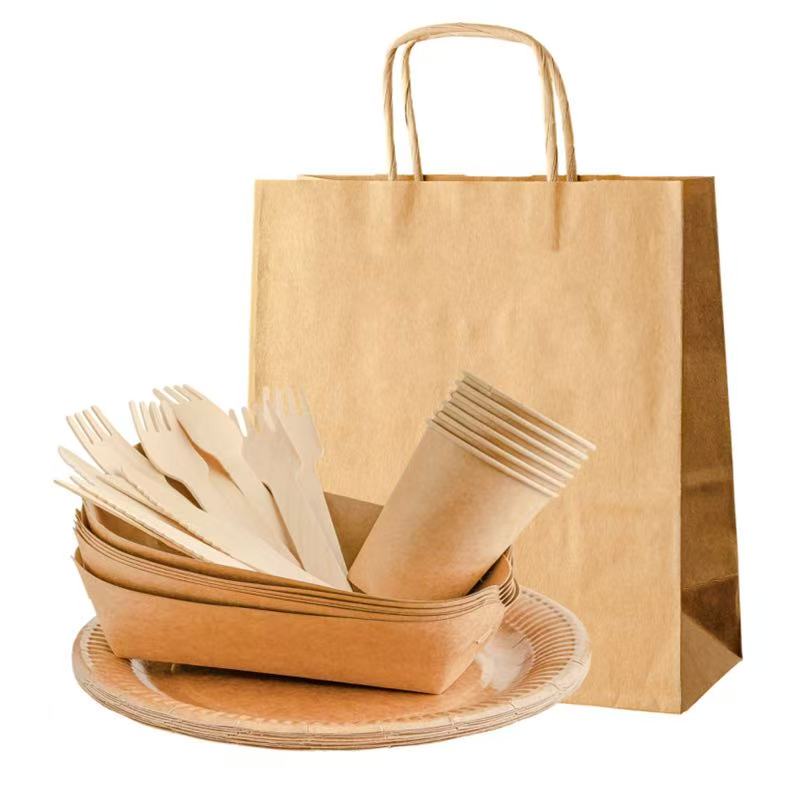
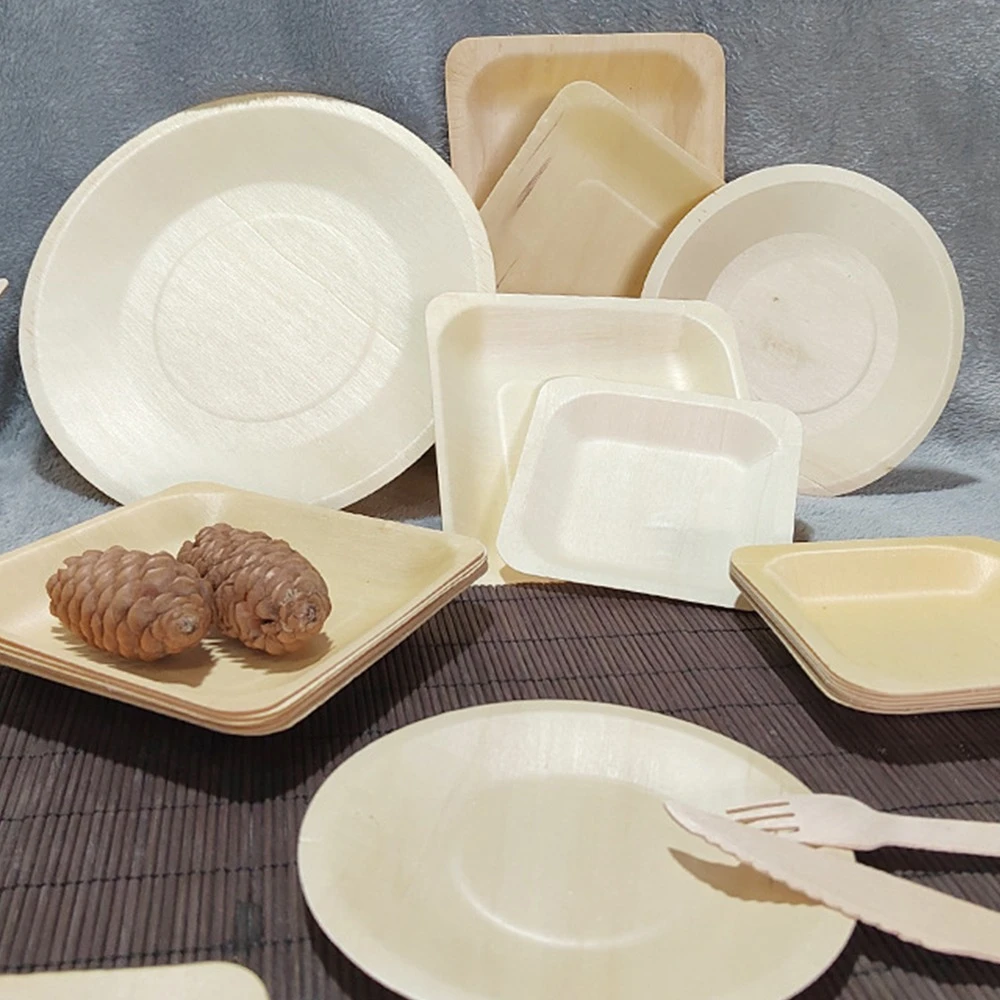
II. Compliance and Certification
As disposable cutlery comes into direct contact with food, it is classified as a regulated food-contact material in almost all markets.
Furthermore, "green marketing" claims regarding various product aspects are under strict scrutiny. If a supplier claims a product is 100% compostable without supporting documentation, the brand could face consumer complaints or penalties.
Is it safe?
Does it release harmful substances when exposed to high temperatures or acidic substances?
Is it compliant?
Does it meet the food-contact and environmental regulations of the destination market?
Is it sustainable?
Whether the product is compostable after use and whether the material sourcing is responsible.

III. Specifications and Dimensions
A single size of disposable cutlery does not suit every type of food.
For instance, 160mm cutlery is better suited for standard takeout, fast food, and general food packaging, whereas 170mm versions are appropriate for larger meal portions or scenarios requiring a longer handle.
Therefore, when sourcing products, it is essential to verify specifications-such as length, width, thickness, weight, and depth-with the supplier to avoid size-related issues during use.
IV. How Factories Control Product Quality
This is a key factor distinguishing manufacturers from middlemen. A mature disposable cutlery... A capable manufacturer will have a clear understanding of its own QC processes:
1. Raw material inspection: Checking wood, bamboo, or other raw materials.
2. In-process inspection: Checking dimensions, weight, or product status during production.
3. Surface inspection: Checking for burrs, cracks, splinters, smoothness, surface defects, etc.
4. Dimensional inspection: Checking product length, width, thickness, weight, etc.
5. Functional inspection: Checking fork tine strength, blade sharpness, spoon structure, handle strength, etc.
6. Finished product inspection: Conducting spot checks on finished goods and verifying packaging quantities.
7. Packaging inspection: Checking inner packaging, carton condition, product labels, shipping marks, etc.
V. Customization and Branding
OEM and ODM services are crucial for brand-focused clients.
OEM (Original Equipment Manufacturer)
The client provides product requirements or designs, and the factory manufactures the goods accordingly. The client supplies all technical specifications, while the factory is responsible solely for production based on the order. This model is well-suited for established brands seeking differentiation.
Examples include specifying dimensions, packaging, and logos.
ODM (Original Design Manufacturer)
The manufacturer proposes product solutions based on client needs. They assist the client through the entire process: product selection, specification confirmation, packaging design, sampling, and mass production.
This helps buyers who lack in-house product development teams reduce the complexity of product development
VI. Ability to Provide a Complete Disposable Tableware Product Line
For large B2B buyers, the ability to provide a comprehensive line of disposable tableware is a critical factor.
If a supplier offers only a single product, the client must seek other suppliers for additional items, thereby increasing the complexity of supply chain management.
Conversely, if a supplier can provide a range of products-such as wooden tableware, bamboo tableware, kraft paper tableware, and bagasse tableware-the client can source a wider variety of goods from a single supplier.
Excellent suppliers are happy to answer all your questions, provide certifications, arrange samples, and help you select materials suitable for your target market. In contrast, poor suppliers often pressure you on price while avoiding details about the product itself.
If you have any questions regarding this article, please feel free to contact us for a detailed discussion.